
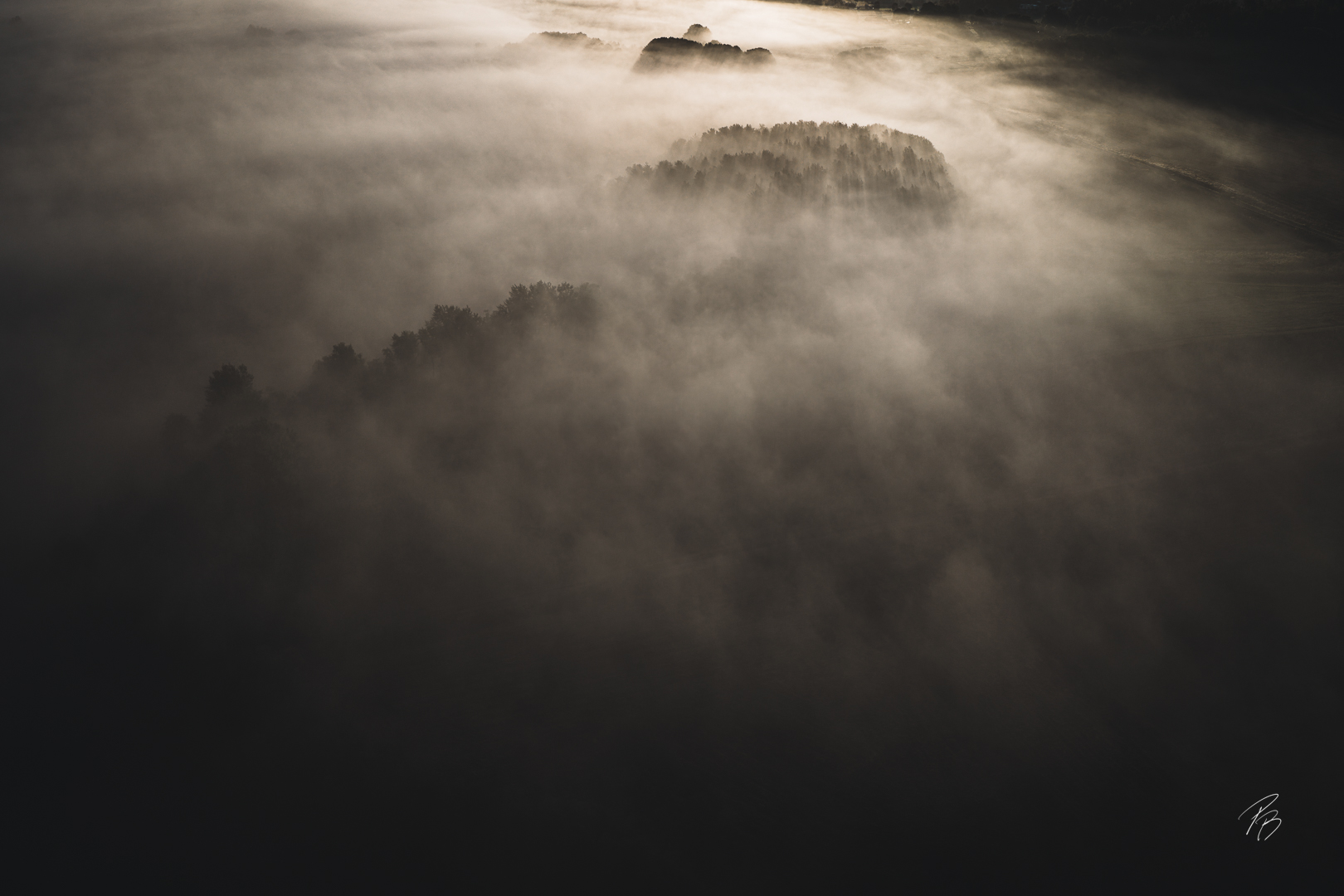
Scandinavian minimalism is not about emptiness. It is about giving space to what matters. In photography, this means removing everything that distracts: loud colors, competing lines, unnecessary details. What remains should carry a feeling.
What is Scandinavian minimalism in photography?
Scandinavian minimalism differs from the international version. It is not about sterile perfection, but about the simplicity found in nature. Soft colors, gentle light, large open spaces and a slow visual rhythm define the style. Everything left in the frame must contribute to the mood.
Color – the Nordic palette
Scandinavian minimalism uses colors that feel like weather: misty grey, pale blue, sand beige, muted pink and winter white. These tones do not dominate a room — they blend in and create calm.
In photography, this palette reduces visual stress, harmonizes with Scandinavian interiors, enhances stillness and makes images feel timeless. Mist, water, ice and forest naturally belong here.
Light – soft, low, slow
Northern light is rarely neutral. It is low, soft, cold or warm in a way that feels organic. Minimalist photography uses this light to create depth without drama, highlight surfaces without harsh contrast and let the image breathe. It is light that whispers rather than shouts.
Composition – lines, surfaces and silence
Lines
Horizon lines, shorelines, cracks in ice, vertical trees — lines that guide the eye without forcing it.
Surfaces
Large fields of water, sky, snow or mist create balance and calm.
Silence
The most important element is the one you cannot see but can feel. Minimalism is not about showing little — it is about showing the right things.
Why Scandinavian minimalism works in the home
Minimalist photography fits almost any interior because it does not compete with furniture, creates calm in living rooms and bedrooms, enhances natural light and gives a sense of space. It is art that supports the room rather than dominating it.
How to decorate with minimalist photo art
1. Choose one large print instead of many small ones
Minimalism needs air. A single large piece creates more calm than several small ones.
2. Place art where the light is soft
Bedrooms, hallways and living rooms are ideal for calm, slow images.
3. Match the color palette
Let the artwork follow the tone of the room. Muted colors integrate naturally.
4. Choose images with clear direction
A horizon line or shoreline can define the entire room.
5. Avoid heavy frames
Thin frames or frameless mounting strengthen the minimalist expression.
Examples of minimalist subjects
- Mist over water
- Crack patterns in ice
- Forest lines in backlight
- Coastlines in pastel tones
- Aerial images with large surfaces and few elements